Directing kids is…different, shall we say? It can speed up the aging process by a factor of three and certainly requires a whole different approach than directing trained adults you can have a conversation with about subtext and motivation and wants and needs and tactics and trauma. The younger children are, the more challenging they are to direct. Yet somehow I have worked with kids on probably 80% of my directing projects. I don’t know how it happened, it wasn’t a goal of mine – I don’t even have children. But when kids are involved people tend to call me, and I do enjoy working with these unruly little humans. I enjoy their directness, their authenticity, their willingness to play, the way you bond with them…
And I’ve found that even though every child is different, there are definitely some common strategies that apply to all of them. So here’s some wisdom I’ve gathered over the years working with kids from 3 to 12. Here are my ten tips for directing kids:
1. Insist on in person auditions
This might be obvious but with the popularity of self-tapes I sometimes get asked if I’m okay with skipping in-person auditions. Self-tapes are cheaper and less scary, especially for kids. But that’s exactly the problem. Sets are scary too, with a bunch of unfamiliar adults walking around and watching them. You have to know not just if a child is comfortable on camera, but also if they’re comfortable on camera when someone other than their mom or dad is filming – if they’re comfortable with strangers. And you have to know if a child has range and can take direction or if they can only do the one thing they decided to do on the self-tape. The only way to know any of the above is by auditioning kids in real life.
2. Get to know their parents
You must – I repeat, you must – find out if children like acting themselves or if it’s their parents who are the ones with aspirations. Trust me, you do not want to suffer through a long shoot day with a child that doesn’t want to be there. Not only will they not perform well, you’ll damage the young humans in question. It’s perhaps a bit more of a moral conundrum but I don’t like enabling parents that push their kids into the limelight when they don’t want to be there. I’ve seen parents pressuring and emotionally blackmailing their kids and I find it abusive. Sets are intense environments to be in as it is, let alone for a child. There’s pressure on them to perform, and they’re often surrounded by adults only, which is intimidating. They have to be the ones who want to be there.
Additionally, if the parents are a-ok, it helps to have conversations with them about what their child is comfortable with and how to talk to them about heavy subject matter (if necessary). I’d also recommend involving the parents in preparing the child for the reality of a set and what will be expected of them (spoiler alert: some discipline and obedience).
3. Bond with your child actors before the shoot
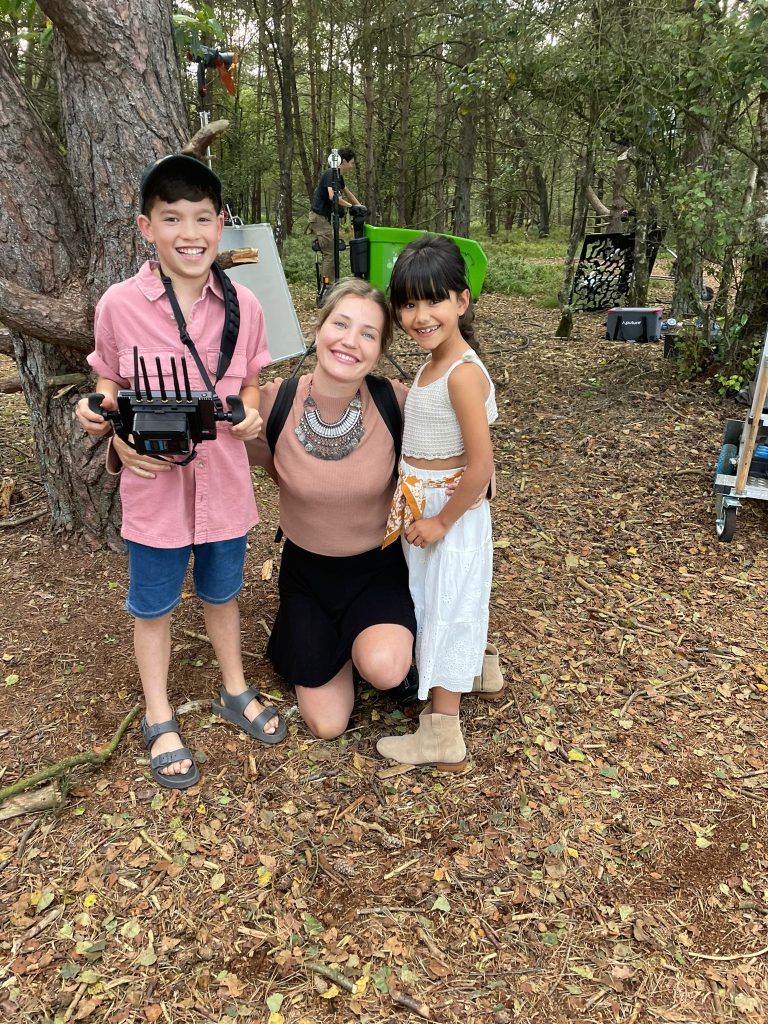
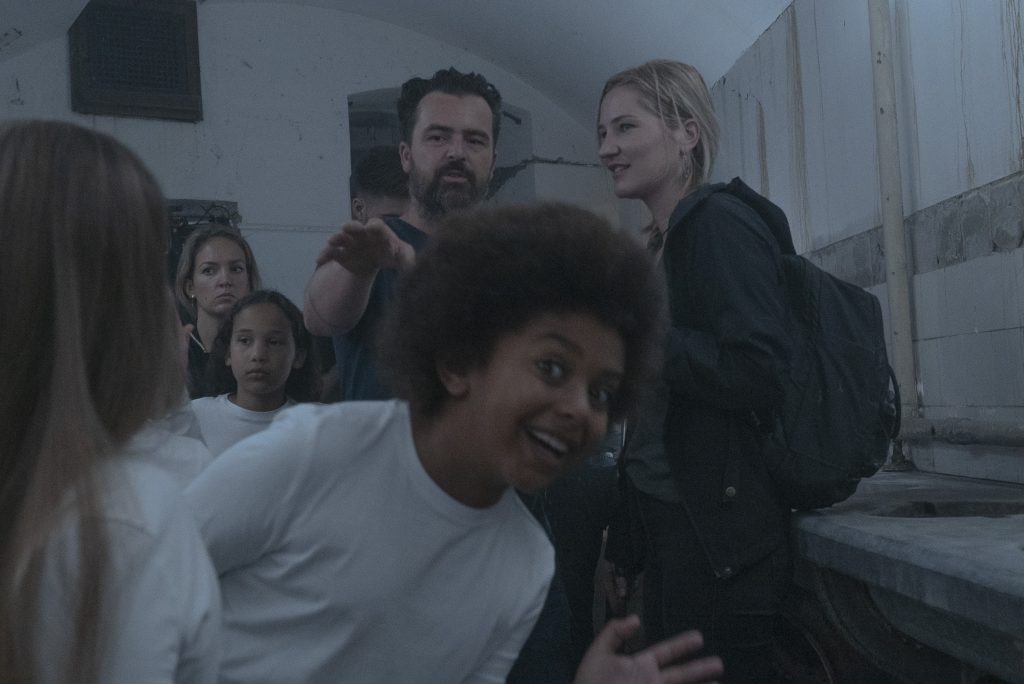
This tip was given to me by the lovely Madelief Blanken from Jut & Jul casting. Many kids are first-time actors and even if they’re not, they will be surrounded by adults during the shoot and are very vulnerable (especially when they’re really young). Establishing trust with your actors is always important, but for these reasons it’s especially important when working with kids.
It may not always be necessary for commercial projects but for fiction projects, when you have the budget and time, I recommend doing something fun with your child actors before the shoot. Something where you’re creating something together or are at the very least interacting closely. That way they can start feeling at ease with you and they won’t feel like they’ll be among strangers during the shoot. You can build trust. It’s also a good opportunity to run first-time actors through what a shoot day is like. Oh, and if possible, involve your child supervisor in this process as well.
4. Start with their close-ups
In my experience kids usually give their all during the camera rehearsal and the first take. Maybe the first two. After that they lose interest and it becomes harder to capture the rawness and authenticity of their performance. I therefore recommend doing camera rehearsals with a stand-in (or your lovely AD ;P) and starting with your child actors’ close-ups, so you have the best takes in the shots that matter most.
5. Employ games & goals
A wonderful tactic that rarely works with adults or teens (because it’s so cringe) but works great with kids is turning things into a game. Starting with rehearsals, do improv games to get loose. Have fun with prompts where they have to pretend to be their character in other situations.
Games also work really well during a shoot. For example, I once asked kids to find the “hidden message” on a wall so they would all really look around at the wall instead of being self-aware. Of course there was nothing on the wall. I also really like whispering little goals and assignments in their ears before scenes. A child version of “what do you want from your scene partner” works well. For example: I asked one young actor to try and get their adult co-star to smile during the scene. If they did, they would “win” the game. But it can also be more sneaky, like when I asked a child actor to suddenly scream in the middle of a take to get a surprised reaction from her young co-star whose turn it was for a close-up.
6. Make your child actors part of the process
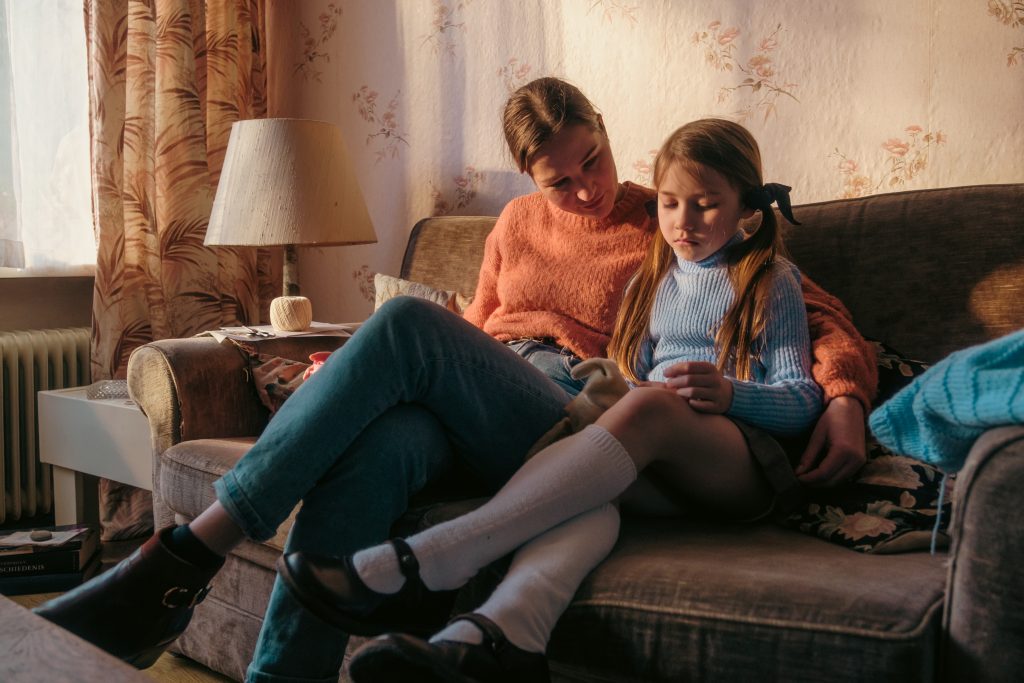
I won’t say “treat child actors like adults” because they are not. They are vulnerable, impressionable young humans whose experiences will be the foundation for an entire worldview that they’ll carry with them through adulthood. That’s why they should be treated with extra care. But that doesn’t mean you have to treat them like clueless little kids, creatively speaking. Children have a rich interior life that’s a valuable asset, so treat them like young artists and make them part of the process. By that I mean: Don’t just tell them what to do but ask them what they think their character should do and why. Ask them what they think scenes are about. Why they think their characters are saying certain lines. It gives both you and the child more insight and makes them more closely engaged with their work.
7. Get on their level
This is such a natural thing to do for me that I never even noticed I was doing it until an AD pointed it out to me. And it’s one of the easier tips: get on a kid’s eye level when talking to them. As in, get those squats in. That way you don’t physically talk down to them and can connect more easily. By crouching or squatting you’re unconsciously levelling the playing field between you and them.
8. Take kids off set when there’s a scafuffle
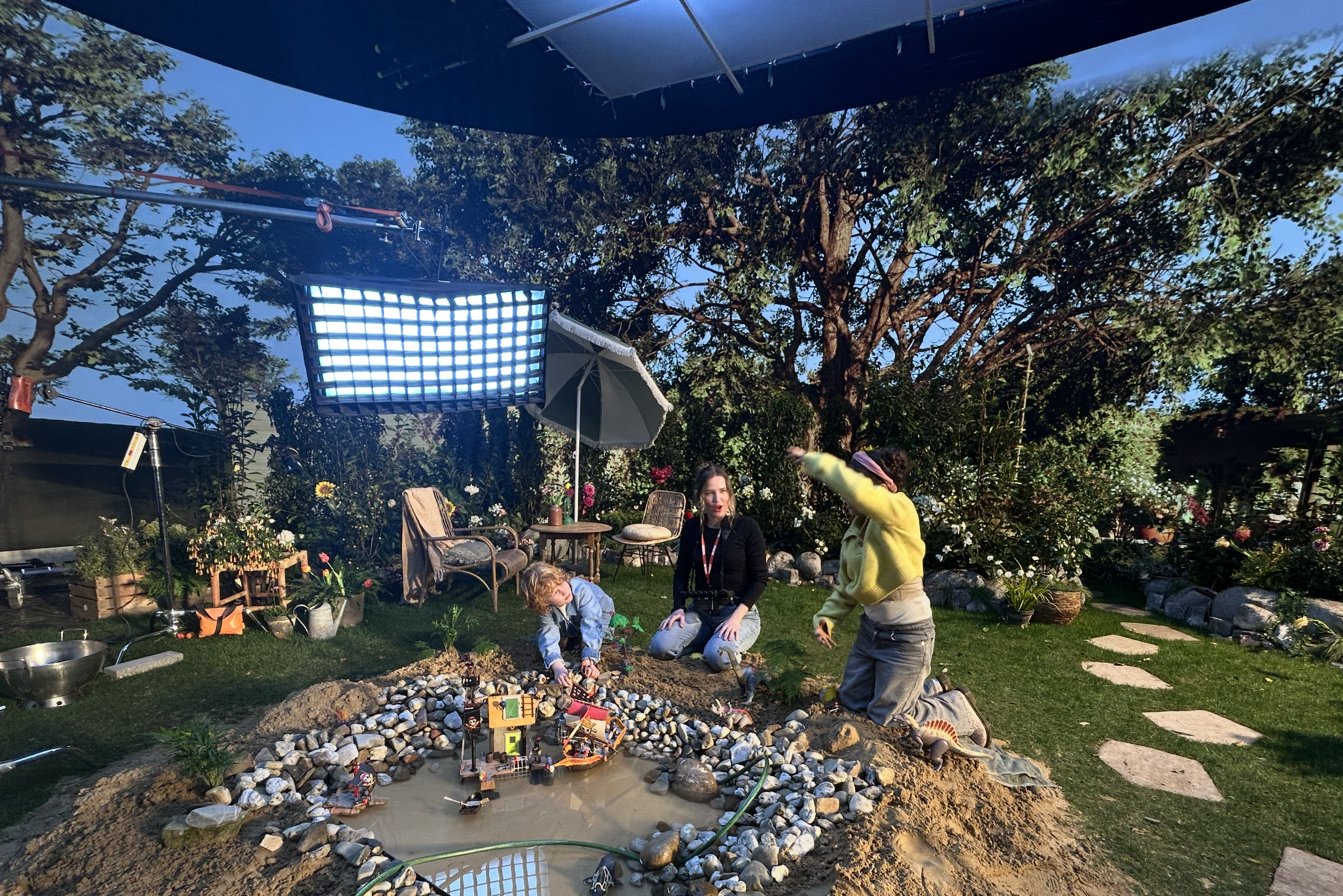
Kids get tired, moody and distracted. Sometimes they cry because they’re cold or something unexpected happened or they’re tired, moody or distracted. Sometimes they cry because their parents are putting pressure on them (see tip 1). When this happens, don’t get frustrated or start pushing them. The best thing to do when a child is getting fussy is take them off set for a second. Go somewhere quiet or at least removed from the rest of the crew, and have a little conversation in private. Not a stern talking-to, but an empathetic one. Ask them what’s going on and what they need to continue. How you can help. In my experience this personal attention and change of energy is usually all kids need to start fresh.
9. Ask the crew to focus
Children are extremely sensitive to the energy of others so if the crew is joking around between takes or whispering or moving about during takes, chances are children will be infected by that energy and end up distracted. Especially during emotional scenes, this is the last thing you need. So I recommend getting strict with the crew and ask them to be silent and poker-faced during and in between the kid’s takes.
10. Involve the child Supervisor
Child supervisors are not just there to occupy the kids in between takes and advocate their best interest, if you ask me. Many of them can be a much more valuable asset because they can help get the child in the right mind space or emotion for scenes. I therefore like to involve my child supervisors throughout the day. Tell them what mood I’d like the child to be in by when. For example, if I’m doing an emotional scene I’d like them to do a quiet, focused activity the hour before (like drawing) rather than a game like Twister that gets them all hyped and wild.
So…those are my tips! I’m sure more will follow as I gain more experience. I’d like to reiterate that these tips are for kids, not teens. I repeat: not teens. A lot of these tips actually will have averse effects when used on teens (do not try to make things a game or try to lead with your own childlike enthusiasm. I’ve tried both – much to the amusement of my crew.) Teens are a whole different universe that I’m only just starting to get the hang of. If you do have the know-how on teens, please share. And if you have any other tips for directing kids, those are welcome too!